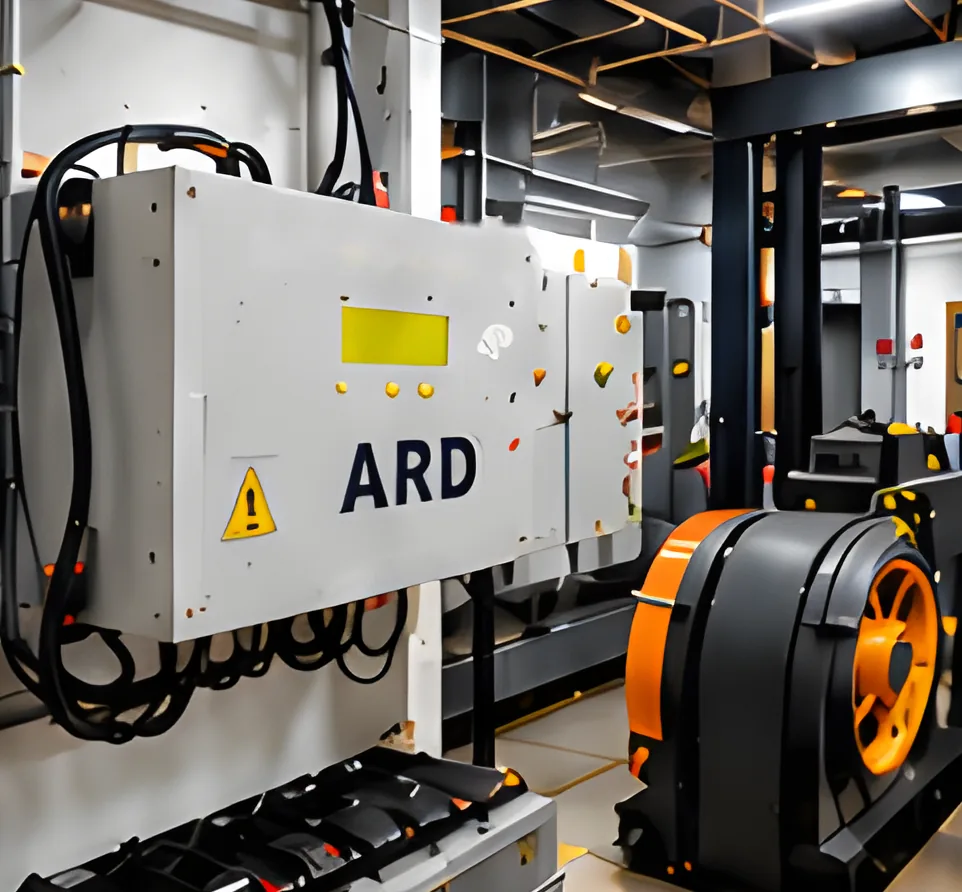
Automatic Rescue Device (ARD)
Safely brings the elevator to the nearest floor and opens the doors during a power failure.
A lift should feel safe every time someone steps in. These are the safety systems used in Vortex lifts, and what each one does.
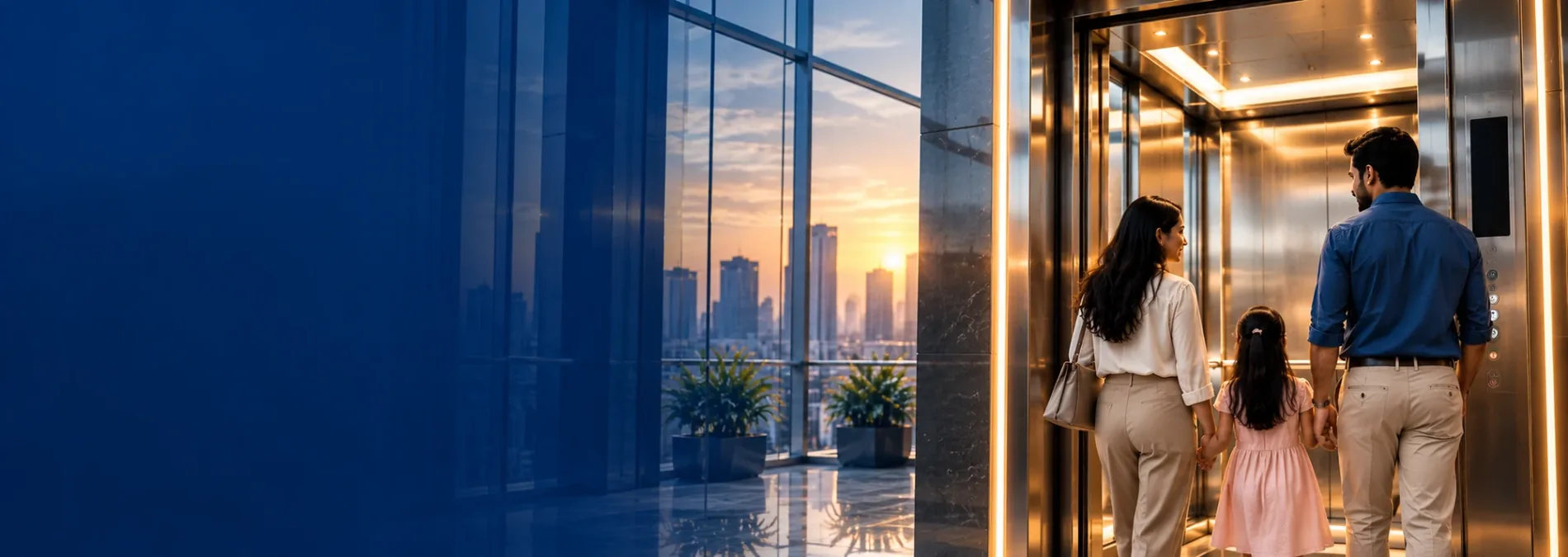
Which systems are fitted depends on the lift type and configuration. We list them in your quotation.
Safely brings the elevator to the nearest floor and opens the doors during a power failure.
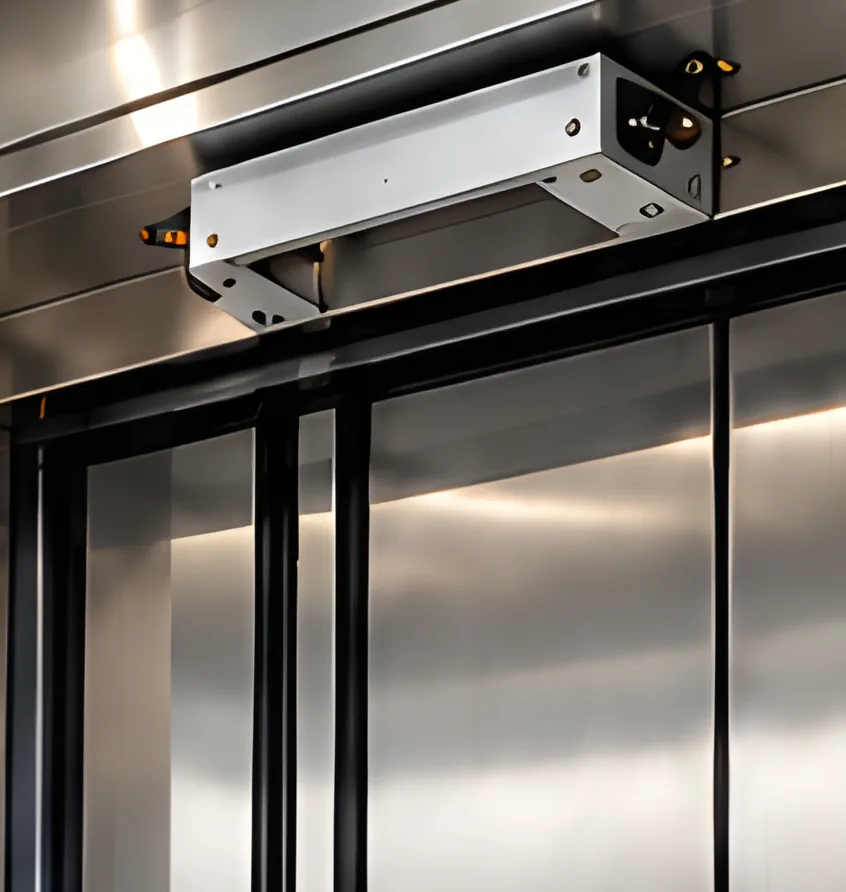
Detect obstacles across the full door height and stop the doors from closing on passengers.
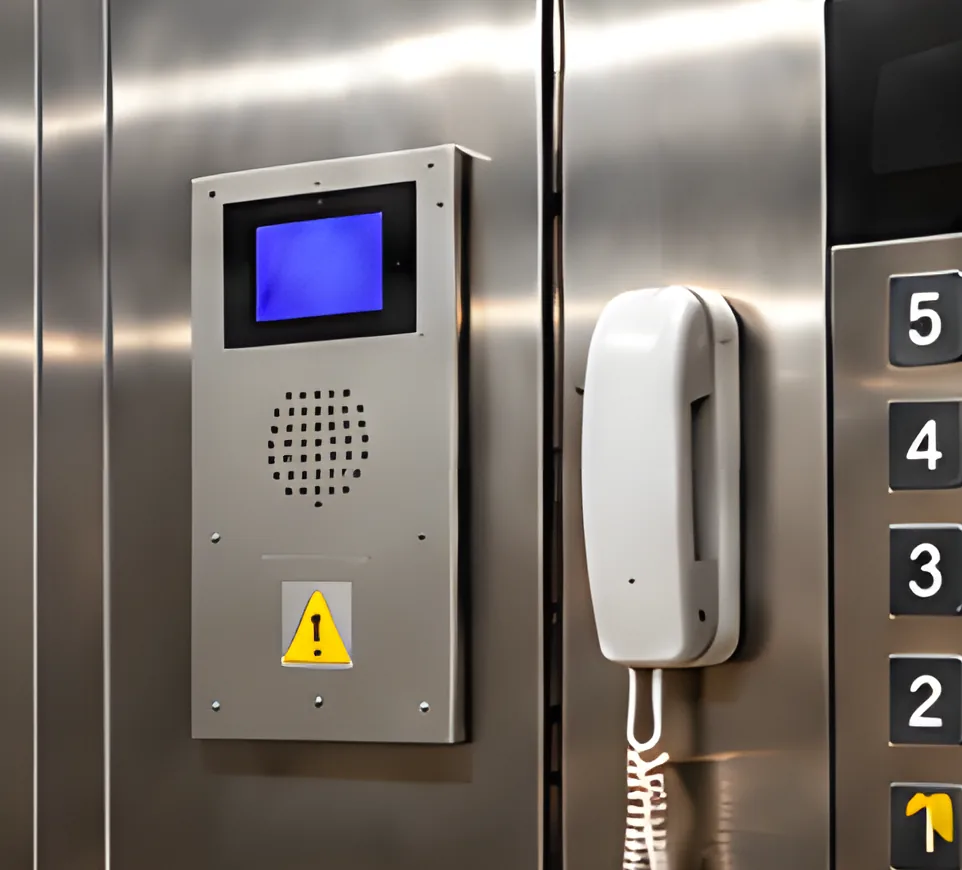
Lets passengers talk directly to the control room in an emergency or when they need help.
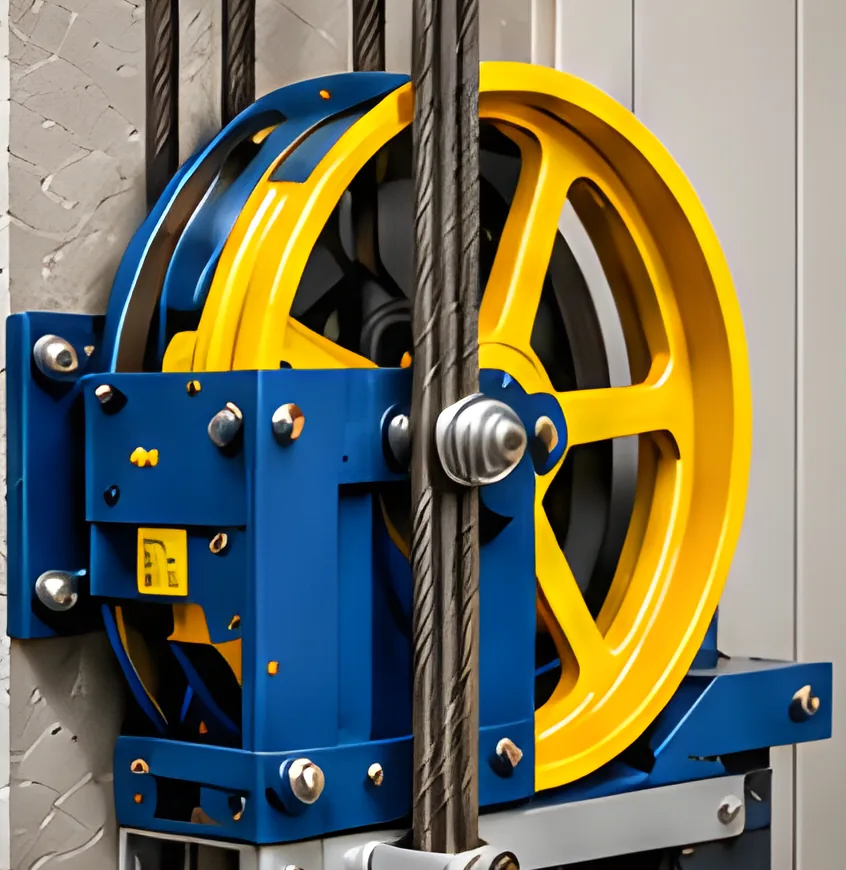
Monitors the lift’s speed and activates the safety gear if it travels too fast.
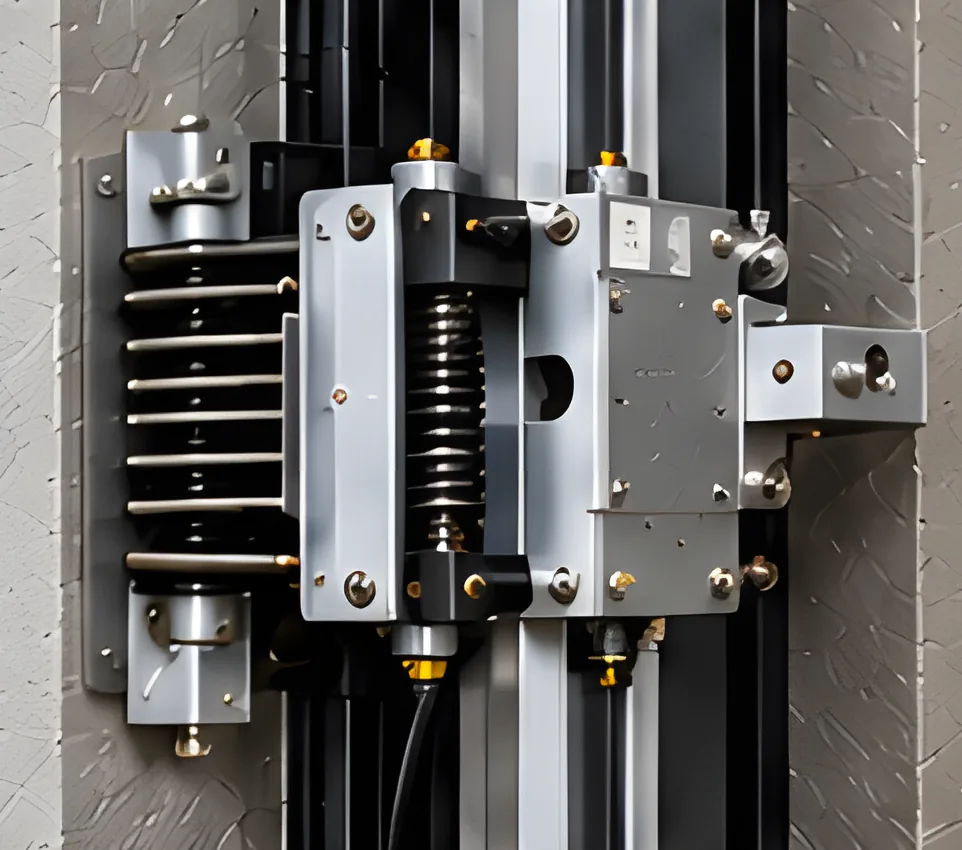
Grips the guide rails to stop and hold the car safely if the governor detects over-speed.
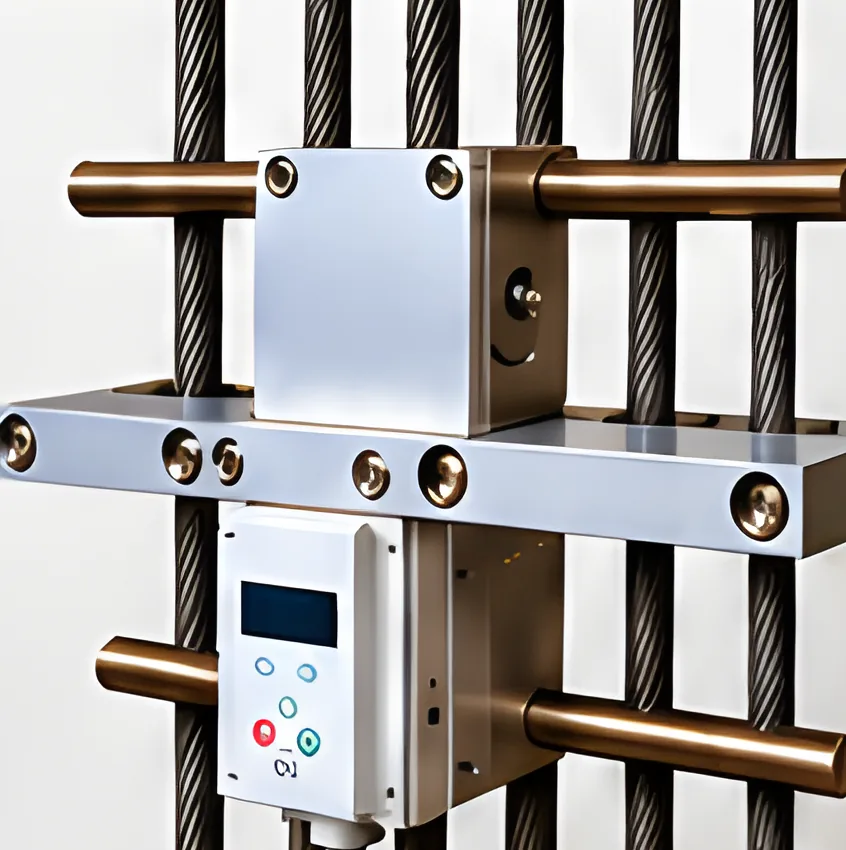
Measures the cabin load and stops the lift from running above its rated capacity.
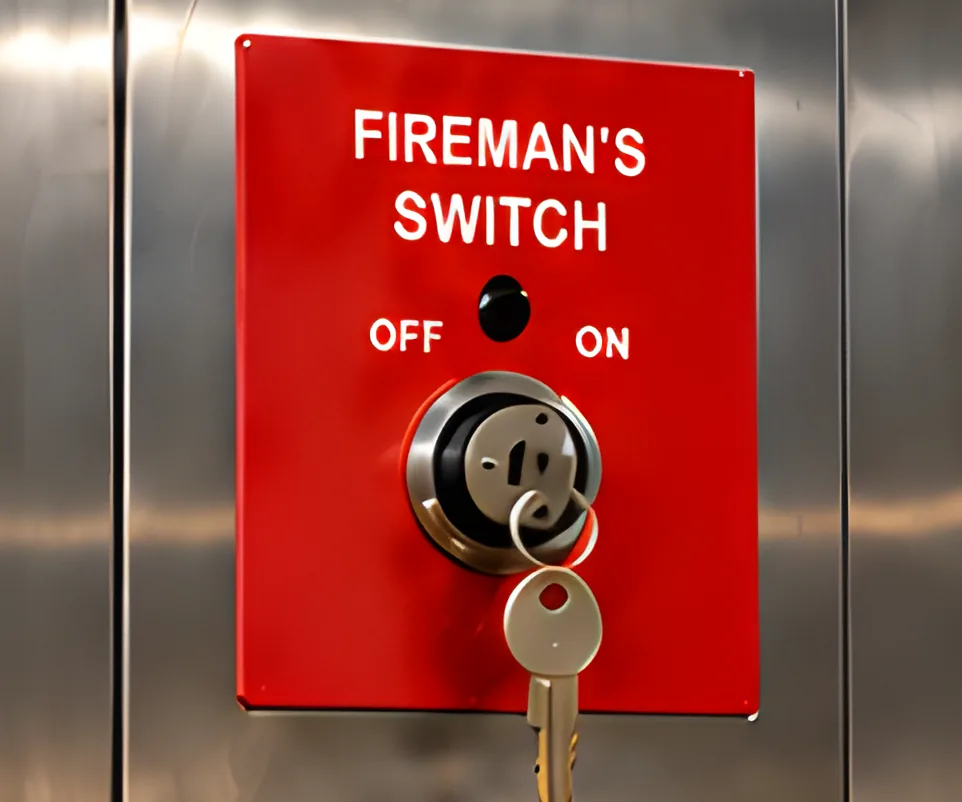
Lets authorised personnel, such as firefighters, take control of the lift in an emergency such as a fire.
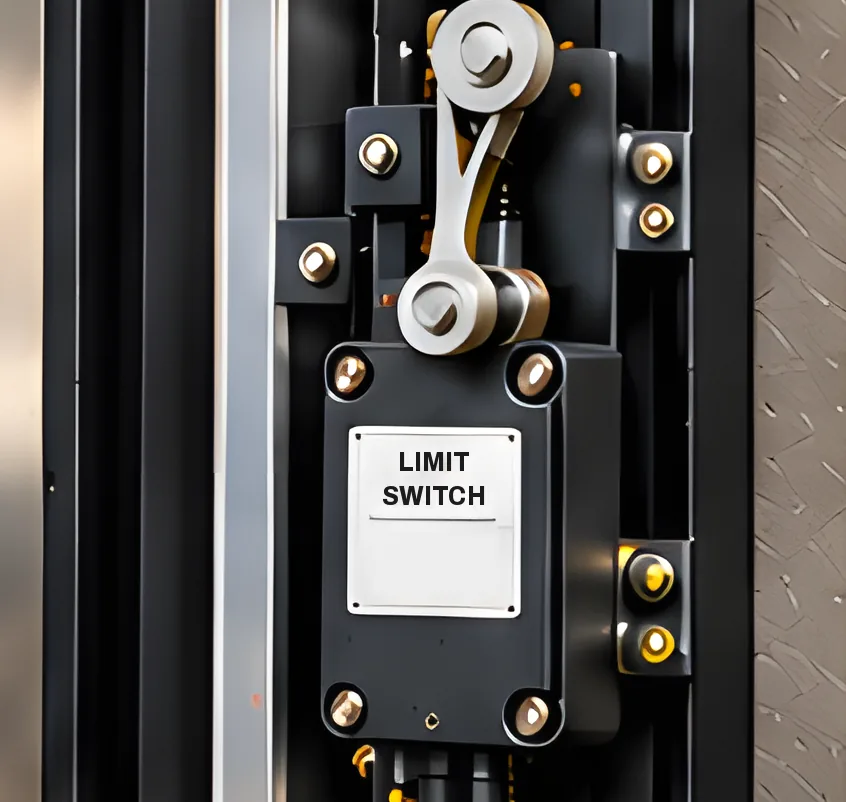
Detects the car’s position and travel limits so it never travels beyond the safe range.
Further protection at the doors and in an emergency. As with the systems above, what is fitted depends on the lift and is confirmed in your quotation.
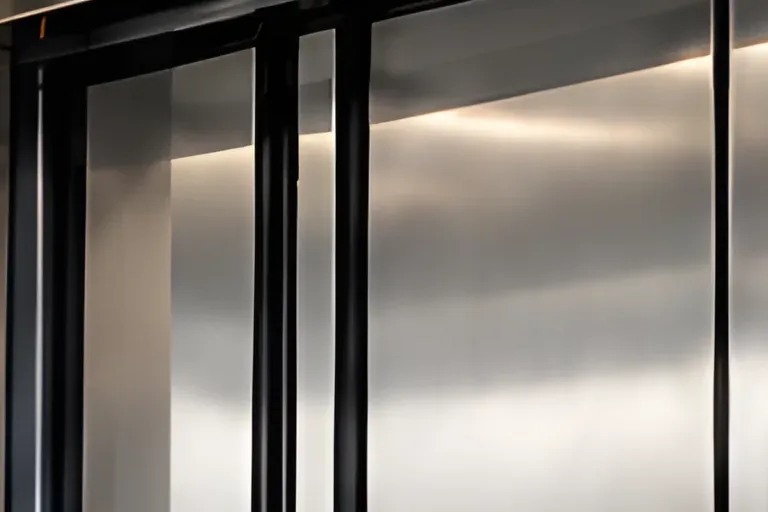
Advanced multi-beam sensors detect passengers and obstructions across the lift entrance, helping prevent the doors from closing on them.
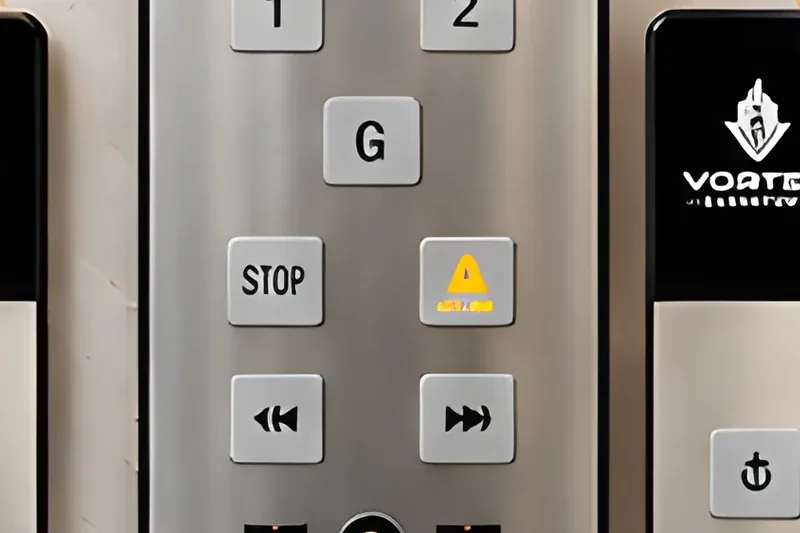
Press and hold the SOS button for five seconds to call the designated emergency contact or support centre.
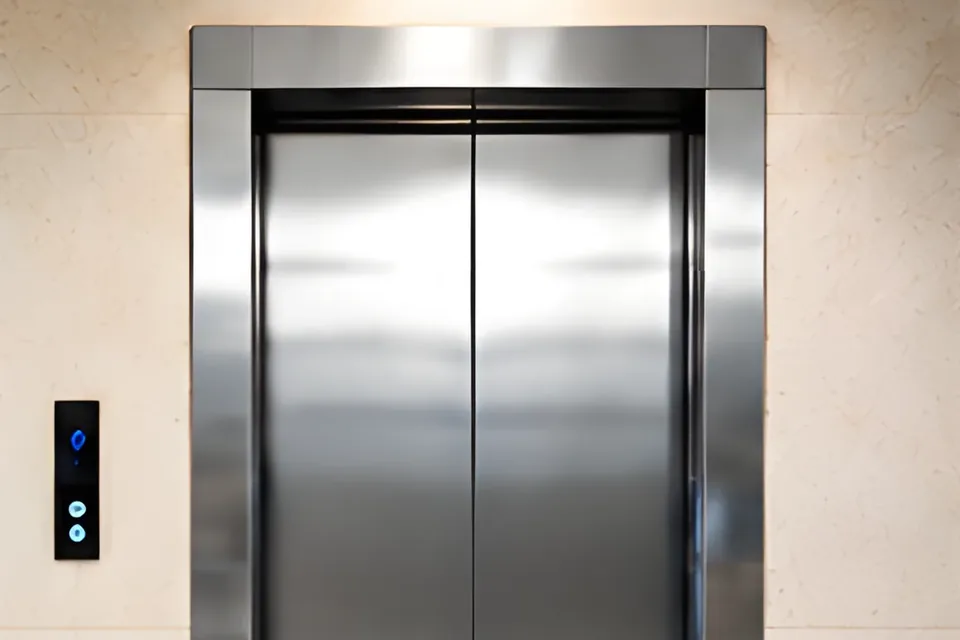
Fire-rated landing doors provide an additional layer of protection during fire emergencies.
During a power failure, the Automatic Rescue Device moves the lift to the nearest landing and opens the doors. Manual rescue provisions are also available.
Power cuts happen. Our gearless MRL lifts include an Automatic Rescue Device (ARD) as standard. When the power fails, the ARD switches on, moves the lift to the nearest landing and opens the doors automatically, so nobody waits inside. Manual emergency rescue provisions are also available.
Safety depends on regular maintenance as well as design. Our service visits check the safety devices so they keep working as intended.
The Automatic Rescue Device (ARD) switches on, moves the lift to the nearest landing and opens the doors automatically, so please stay calm and wait for the doors to open. If needed, trained personnel can also carry out a manual rescue. The ARD is included on our gearless MRL lifts; ask us about rescue options for other models.
A curtain of invisible light beams runs across the lift entrance. If a passenger or an object breaks any of the beams, the doors stop closing and open again.
Press and hold the SOS button for five seconds to call the designated emergency contact or support centre. Passengers can also use the intercom to speak to the control room.
If the lift cannot reach a landing on its own, trained personnel can move the car slowly, step by step, to the nearest landing and open the doors with an emergency rescue key. Passengers should never try to force the doors open.
A load sensor measures the cabin load and stops the lift from running above its rated capacity.
Full-height door sensors detect obstacles across the whole doorway and stop the doors closing.
Tell us who will use the lift — residents, patients, staff or goods — and we’ll explain which safety systems your lift will have.