Call 8886 2225 24 WhatsApp +91 8886 2225 24 Instagram @vortexelevators

Hydraulic elevators

Reliable. Compact. Efficient. A hydraulic cylinder raises the car smoothly, and a controlled valve lowers it gently. Hydraulic elevators are best suited to low-rise buildings.
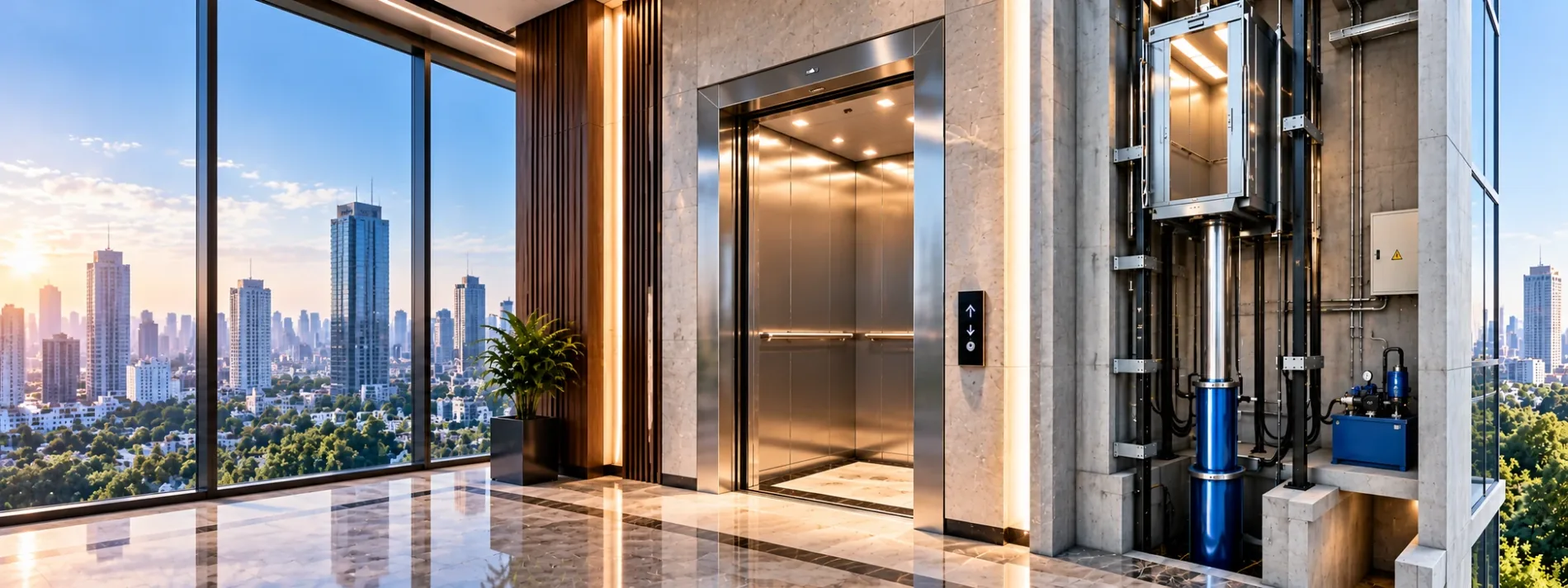
  • Low-rise
    buildings
  • Hydraulic
    cylinder drive
  • Compact
    machine room
Lift lobby beside a cut-away of the hydraulic lift-well showing the piston, cylinder and pump unit

Why choose a hydraulic lift

  • Ideal for low-rise buildings

    A practical choice for buildings with a few floors.

  • Reliable and proven technology

    A simple, well-established way to move a lift car.

  • Compact machine room setup

    The pump, tank and valve unit sit beside the lift-well, with the controller mounted on the tank or wall.

How a hydraulic lift works

Hydraulic elevator, animated schematic sectionA lift car raised by a piston from an in-ground cylinder with a PVC liner; a pump, tank and valve unit in a compact machine room beside the lift-well sends oil through a supply line; guide rails, controller and car buffers. The car travels between the ground and first floors as the piston extends.LIFT-WELLPITG1PVC LINERMACHINE ROOMG12345678
Animated schematic, not to scale. Hover a part in the list to highlight it.

The hydraulic pump pushes oil into the cylinder to raise the car. To descend, a controlled valve lets the oil return to the tank, and the car lowers gently under its own weight.

The pump, tank and valve unit sits beside the lift-well, with the controller mounted on the tank or a wall. Other components include the car and landing doors, door operator, car sill and toe guard, and guide-rail brackets.

  1. Lift car
  2. Piston
  3. In-ground cylinder with PVC liner
  4. Hydraulic pump, tank and valve unit
  5. Controller (tank or wall mounted)
  6. Hydraulic oil supply line
  7. Guide rails
  8. Car buffers

Specifications

Capacity, speed, travel, pit and overhead depend on your building. Tell us the number of floors and the space available, and we’ll send the specification for your site.

Request specifications

Questions about the hydraulic lift

Is a hydraulic lift suitable for a house?

Hydraulic lifts suit low-rise buildings, including many independent houses. We confirm suitability after checking the space and floors at your site.

Where does the machinery go?

In a compact machine room setup: the pump, tank and valve unit sit beside the lift-well, and the controller is mounted on the tank or a wall.

Compare other elevators

Every building is different. See the other lift types we supply.

Reliable. Efficient. Built to perform.

Traction with Machine Room

Configurable capacity, speed and finishes

Explore
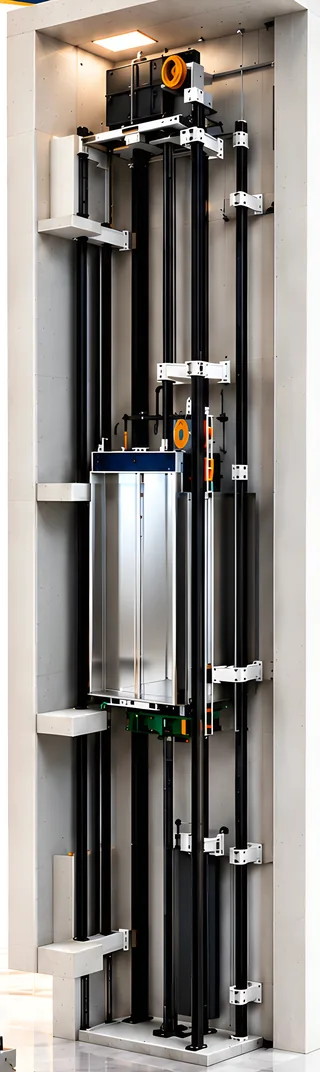
Compact design. Superior performance.

Gearless MRL

4–30 persons · 0.5–2.5 m/s · up to 25 stops

Explore
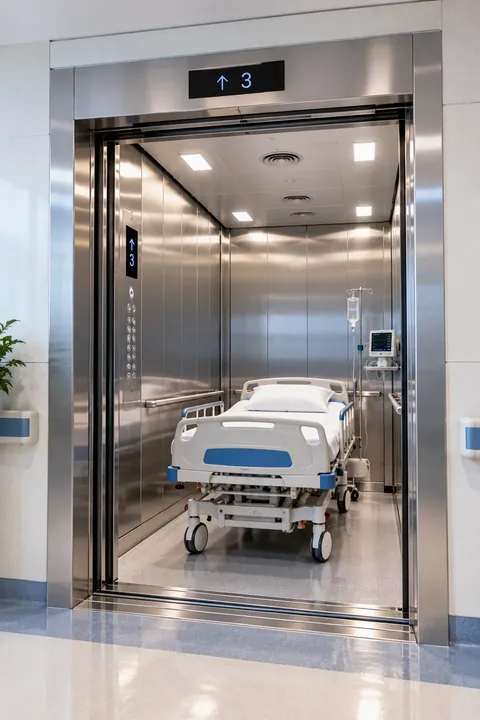
Safe, smooth and reliable healthcare mobility.

Hospital

Beds · wheelchairs · equipment

Explore
Built for heavy loads. Made for efficiency.

Goods

500–3000 kg (general data)

Explore

Is the hydraulic lift right for your building?

Send us the building type, number of floors and location. We’ll confirm what fits after a site visit.