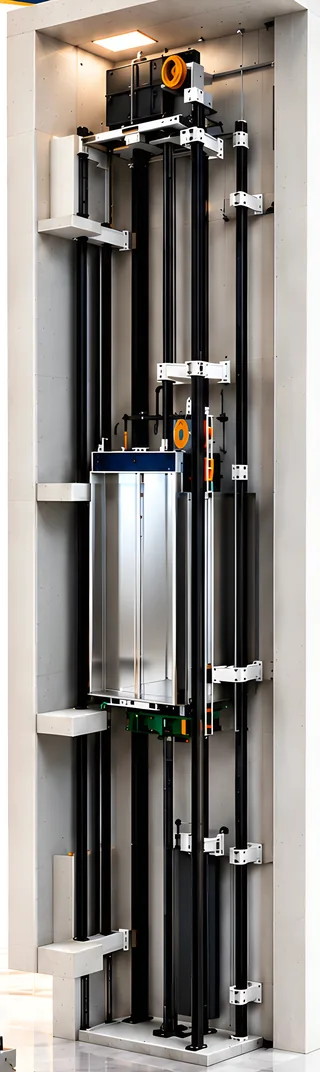
Traction elevators with machine room
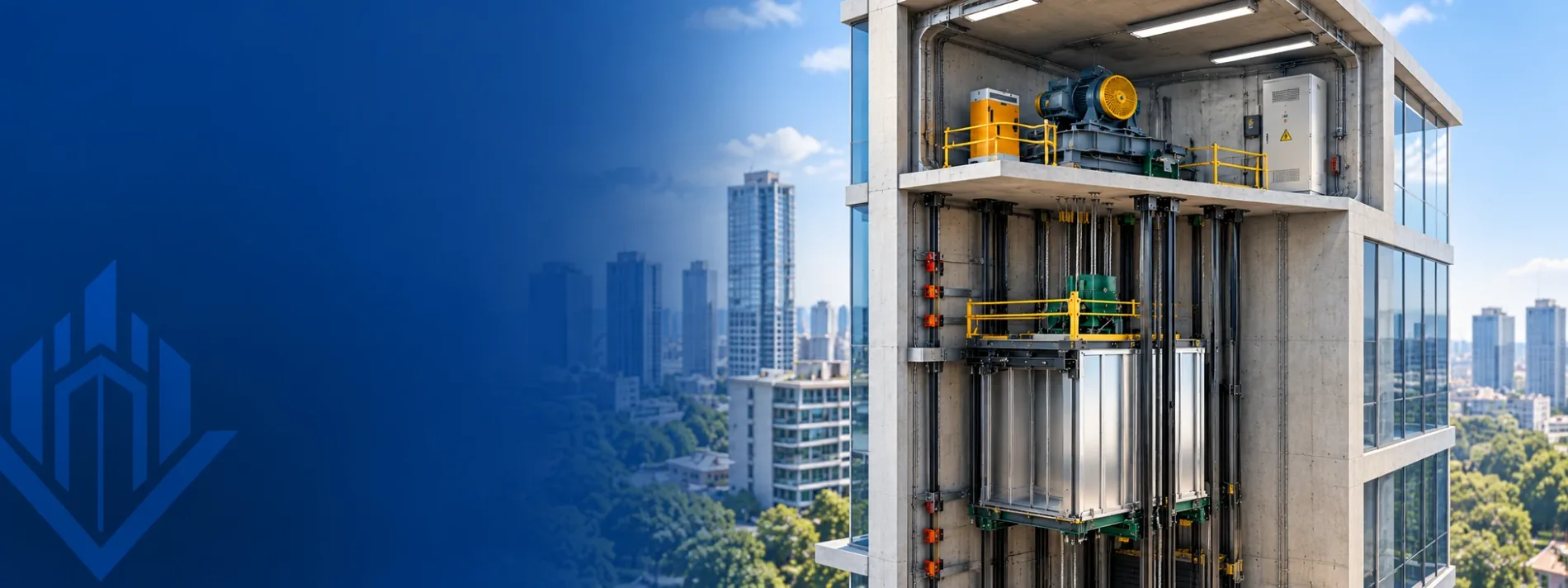
Reliable. Efficient. Built to perform. A traction elevator uses a motor and steel ropes, with the drive equipment in a machine room above the lift-well. It suits buildings that see regular, all-day use.
- 4–13 persons
general data - Up to 1.5 m/s
automatic doors - Machine room
above the well
Built for everyday reliability
Smooth ride
Advanced drive systems give controlled acceleration, deceleration and precise floor stopping.
High performance
Designed for consistent operation across residential, commercial and institutional buildings.
Flexible configuration
Capacity, speed, cabin dimensions and finishes are configured to your project requirements.
Durable construction
Quality components and robust engineering for dependable performance over years of use.
Safety focused
Multiple integrated safety systems for secure, reliable passenger transport.
Customised interiors
Choose cabin finishes, lighting, flooring, doors and accessories to suit your building.
How a traction lift works
An electric motor turns a traction sheave in the machine room. Steel ropes run over the sheave, with the car on one side and a counterweight on the other, so the motor only has to move the difference in weight.
The car and counterweight run on guide rails. If the car ever travels too fast, the overspeed governor trips the safety gear, which grips the rails and stops the car.
- Motor and traction sheave
- Controller
- Steel hoist ropes
- Lift car
- Counterweight
- Guide rails
- Landing doors
- Overspeed governor
- Buffers in the pit
Where it fits
Residential buildings
Apartments and multi-storey residential developments.
Commercial buildings
Regular passenger movement in offices and commercial spaces.
Hotels & institutions
Buildings that need consistent vertical mobility.
High-usage buildings
Projects where performance and reliability are key.
Space requirements
General data from our brochure for passenger lifts with a machine room. Use it for early planning; we confirm exact sizes after a site survey.
| Persons | Load (kg) | Car A | Car B | Lift-well C | Lift-well D | Entrance E | Machine room K | Machine room L |
|---|---|---|---|---|---|---|---|---|
| 6 | 408 | 1100 | 1000 | 1700 | 1800 | 700 | 300 + C + 300 | 600 + D + 1500 |
| 8 | 544 | 1200 | 1200 | 2000 | 1800 | 800 | 300 + C + 300 | 600 + D + 1500 |
| 10 | 680 | 1800 | 1200 | 2150 | 1600 | 800 | 600 + C + 600 | 600 + D + 1500 |
| 13 | 884 | 1900 | 1000 | 2400 | 2000 | 900 | 600 + C + 600 | 600 + D + 1500 |
Speed up to 1.5 m/s · Pit depth 1600 mm · Overhead 4900 mm · Machine room height 2500 mm.
| Persons | Load (kg) | Car A | Car B | Lift-well C | Lift-well D | Entrance E | Door type | Machine room K | Machine room L |
|---|---|---|---|---|---|---|---|---|---|
| 4 | 272 | 800 | 900 | 1350 | 1650 | 700 | Collapsible | 600 + C + 600 | 300 + D + 1500 |
| 5 | 340 | 1100 | 900 | 1600 | 1300 | 700 | Swing | 300 + C + 300 | 600 + D + 1500 |
| 6 | 408 | 1100 | 1000 | 1500 | 1500 | 750 | Swing | 300 + C + 300 | 600 + D + 1500 |
| 8 | 544 | 1200 | 1200 | 1900 | 1500 | 800 | Swing | 300 + C + 300 | 600 + D + 1500 |
| 13 | 884 | 1900 | 1100 | 2400 | 1850 | 900 | Imperforate | 600 + C + 600 | 300 + D + 1500 |
Speed up to 0.68 m/s · Pit depth 1600 mm · Overhead 4900 mm · Machine room height 2500 mm.
All dimensions are in mm. A × B = car inside (width × depth); C × D = lift-well; E/W = entrance width; K × L = machine room.
This is general data and may change without notice. Final sizes are confirmed after a site survey.
All hoistway walls should be a minimum of 230 mm brick or 150 mm RCC.
Safety systems
Depending on the configuration, our lifts use these systems. Ask us which apply to your lift.
- Automatic Rescue Device
- Full-height door sensors
- Overspeed governor
- Safety gear
- Load sensor
- Intercom
- Fireman switch
- Limit switches
Questions about the traction lift with machine room
MRL or machine room — which should I choose?
A machine room lift needs a room above the lift-well. If your building has no space for one, a gearless MRL lift is usually the better choice.
Can I choose automatic or manual doors?
Yes. Our general data covers automatic door lifts from 6 to 13 persons and manual door lifts from 4 to 13 persons. We recommend the door type for your building after a site visit.
What speed do I need?
It depends on the number of floors and how busy the lift will be. Our general data covers speeds up to 1.5 m/s for automatic door lifts.
Compare other elevators
Every building is different. See the other lift types we supply.
Is the traction lift with machine room right for your building?
Send us the building type, number of floors and location. We’ll confirm what fits after a site visit.